
The image above is of Lochinver on the remote West Coast of Scotland taken on a trip for genuine Scottish cashmere
This blog site is in development and more content and images of very rare vintage clothing, with their stories will begin to appear shortly.The site will express my twin loves, my need to “travel” having an innate drive to explore, and as a pioneer of vintage clothing, my curiosity for clothing, its purpose or function aligned with a particular textile, or cloth necessary to fulfil that purpose or function what I mean can easily be seen all around us now, e.g. clothing specifically for yoga, the pattern design and fabric are all meant to enhance the experience.
An amazing early example is one of my rarest finds is this photograph below, it dates back to the 1930s nearly 100 years ago,
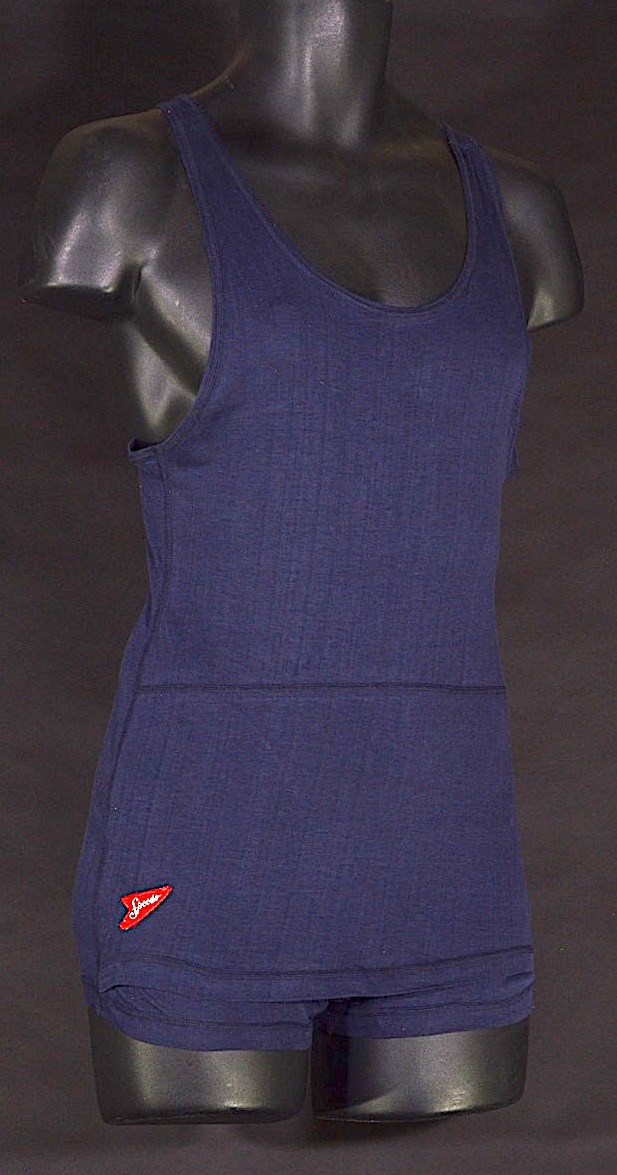
I still actually have about six of these which is even more amazing.
It was an early technical innovation to add silk to cotton to help the swimmer to glide through the water in competitive swimming. “ The man who invented speedos was a Scottish immigrant to Australia” and an identical one is on display at the prestigious “Victoria and Albert” Museum offshoot in Dundee Scotland ,where he was born. This is a link “Victoria and Albert” to the “Victoria and Albert” Museum
fibrearchaeology is it a bit cheeky as the title? It suggests a rather academic site, well it is, but not in the formal sense, I am not an academic but like some mad scientist I’m obsessed with fibre, particularly natural fibre, not only in its innate Quality but how it “performs” can it be washed? For example, which is obviously very fundamental for clothing care, the title “alchemy for cleaning vintage clothing” in the menu has more in-depth information.
As a pioneer of vintage clothing in the 1970s and becoming experienced liaising with film wardrobe staff, and curators in museums, the experience and the obsession with caring for fibre evolved into a profession.
Tips can be found on menu under “alchemy for cleaning vintage clothing”
After a lifetime wearing cashmere and fine merino wool, my favourite winter fibre now is ” pure alpaca”, It has more integrity then cashmere for both washing, and the way it drapes, the “drape” of a fibre has driven fashion through human history, this is particularly so in the Paris high-fashion scene.
“Alpaca” has a beautiful lustre unmatched by other fibre, and it has its own page on this site.
I also have a shop with 30 extraordinary colours including an interesting tweed effect. the shop is alpacaflame Click on it to get there
Also this shop on Etsy, Displays my Vintage winter finds for men and women clothing and tweed hats etc https://www.etsy.com/shop/vintageinwinter

I love the rhythms of rural life, the peace and tranquillity and the resplendent nature. and visiting national parks, this combined as a perfect recipe to look for clothing in rural areas.. whereupon I came across “old stores” that had clothing that hadn’t been sold.. in pristine condition, all types of clothing ….shoes still in their boxes from the 30s and 40s that were used in TV series for example “Come in Spinner” on the ABC. Stories of these discoveries, the types of clothing and the films and television series they were used in will follow.. in blogs and much of the clothing which still exists will be made available to buy from my shop:forgotten highway or you can continue to Etsy
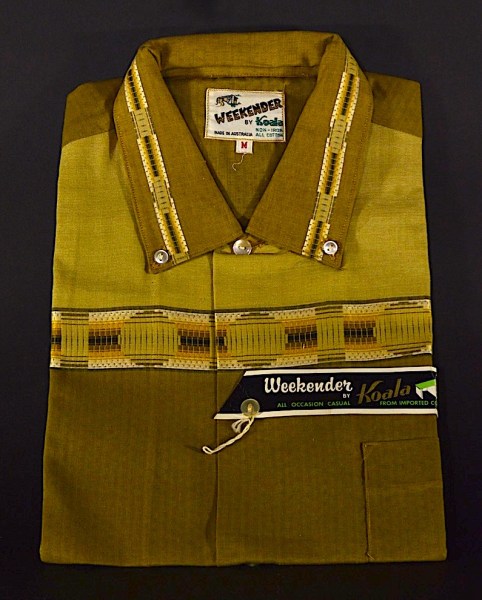
I was noticed at my stall in Paddington market Sydney, in the 1970s,by the wardrobe people from “Kennedy Miller” the producers of “Mad Max”.They were making a production called “Bodyline”This was a television miniseries about Harold Larwood, the Yorkshire cricketer with the English team in the 1930s, who intimidated Donald Bradman’s cricket team. At my stall at Paddington I had on display some genuine old cricket flannels and the interesting white suede leather boots as worn by these cricketers

As I talked to the wardrobe people who were surprised to see they could purchase vintage cricket clothing from my stall I realised then that there was value in hitherto unnoticed even plain clothing.So when looking in the op shops,thrift stores, finding utililitarian or even worn clothing with holes,because it was authentic it had a social context. It could have been somebody living in poverty, for example,during the 1930s depression. Even though you’re making a film having the authentic clothing that people would been dressing in, is much more desirable than making new clothing, which would have to be bashed about and fatigued anyway, to make it realistic. When you have the real thing like some of my “work clothing,” shown in a separate Post, (it can also be seen for sale here vintageinwinter)Even the fabric in the clothing was quite different,) and it would be natural to have darns and holes. There’s something subliminal in the film when authentic clothing is used, it creates a real time machine veneer to the film, to help feel like you’re really there.
I realised I could also broaden my search to include things like rural clothing from op shops in the country if it was worn out it was still suitable especially if it was the hard-working farmer or a labourer. Even though companies like the outback clothing company “R. M Williams” would be happy to supply brand new clothing free of charge it just wouldn’t look right.
so started the adventure of a lifetime… having a strong gypsy inclination to discover new horizons, I combined my love of travel and curiosity in all types of clothing to commence a journey that has never stopped and is taken me through different continents on my endless search for unique pieces

This is a link to a page on Vintage work clothing https://fibrearcheology.com/industrial-clothing-work-clothing-rural-clothing-more-interesting-than-it-sounds/

 fibrearcheology
Leave a comment